A UNESCO-listed 17th-century fort city with cobbled streets, boutique cafes and ocean-view ramparts.
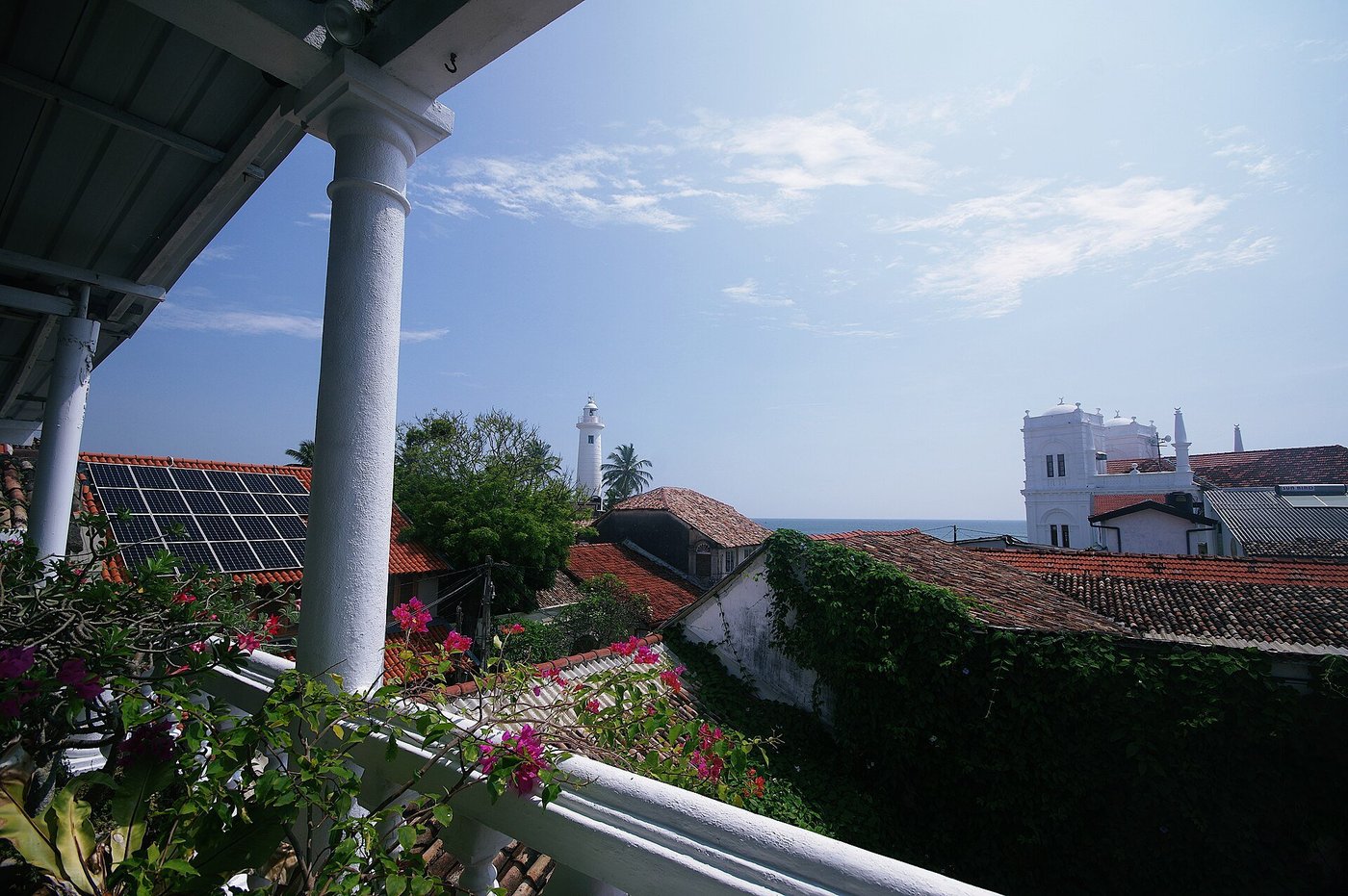
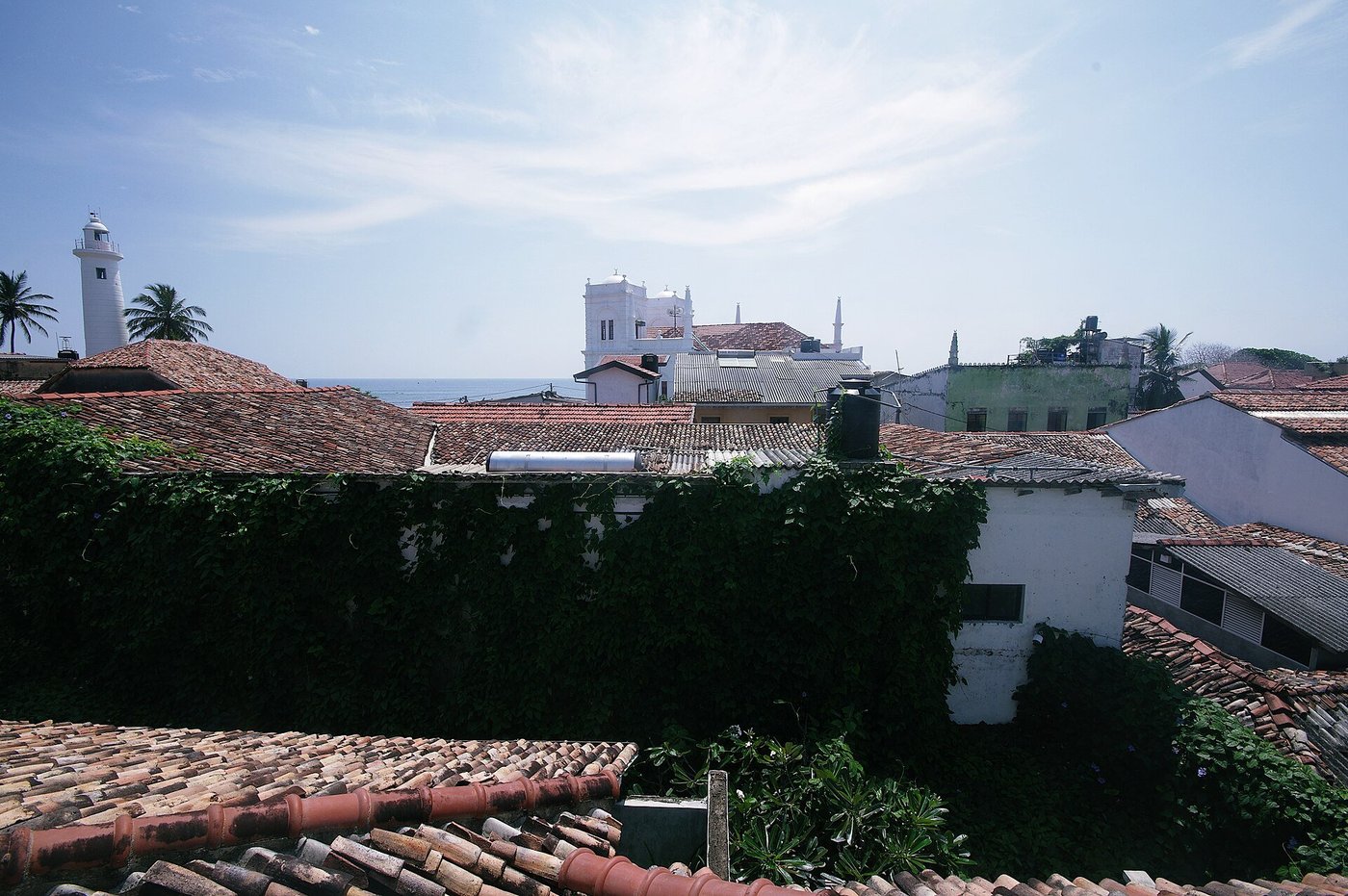
Galle Fort was built by the Portuguese and expanded by the Dutch in the 17th century, and its ramparts, churches and colonial townhouses remain remarkably intact. Today the fort's narrow streets hold boutique hotels, galleries and cafes alongside its original Dutch Reformed Church and lighthouse.
A walk along the sea-facing ramparts at sunset is one of the simplest, most rewarding things to do on the south coast.
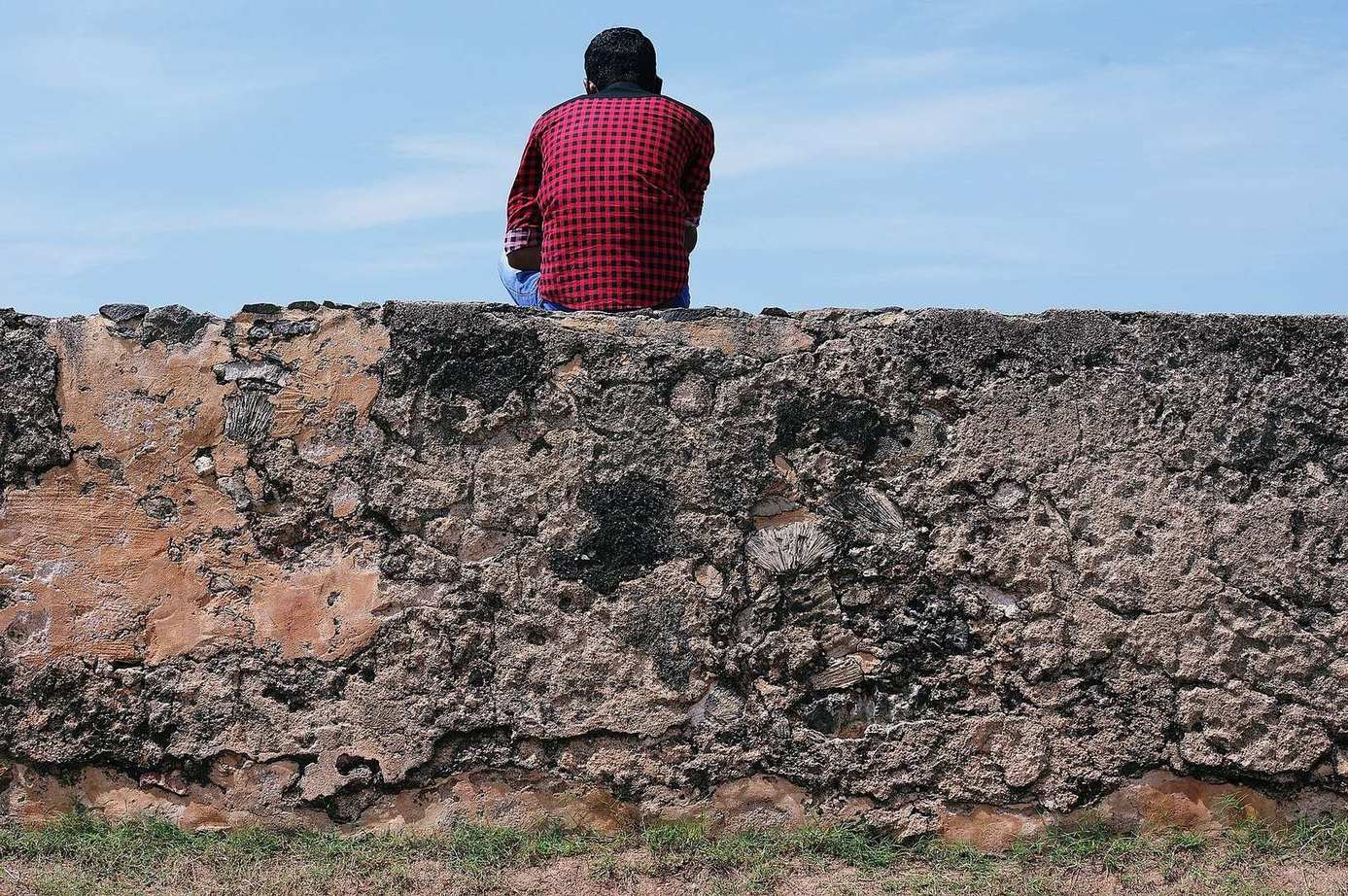
The Old Town of Galle and its Fortifications is a UNESCO World Heritage Site
One of the best-preserved colonial-era fortified cities in Asia
Easily walkable, with boutique shopping and cafes throughout
Sunset walks along the ramparts overlooking the Indian Ocean
Seven real reasons this UNESCO-listed fort city and its coastline reward an unhurried visit.
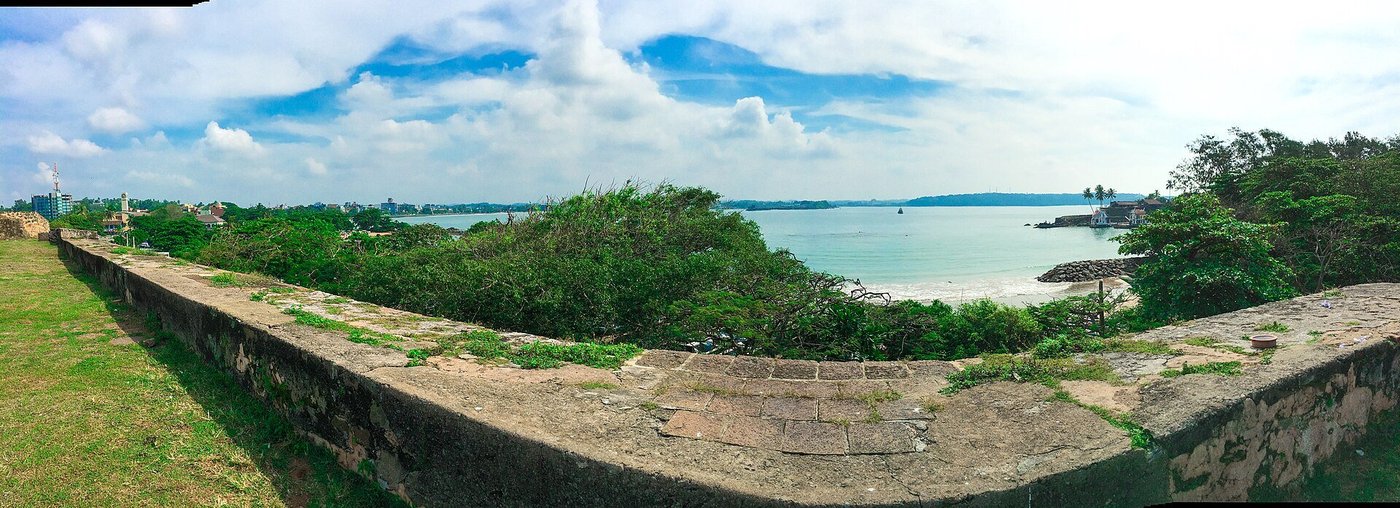
A UNESCO-listed 17th-century Dutch fort, its ramparts and cobbled lanes lined with boutique cafes and colonial architecture.
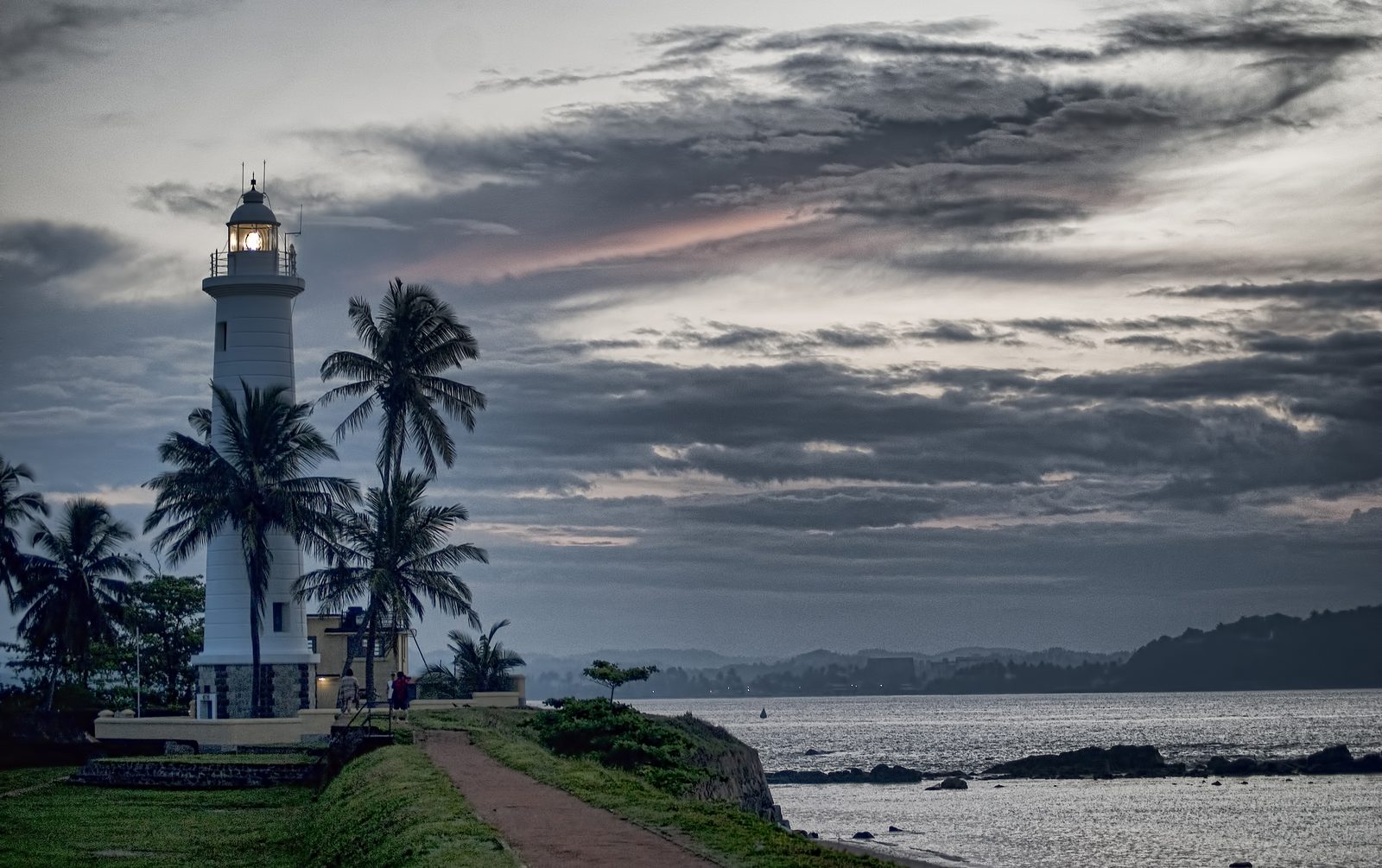
Sri Lanka's oldest lighthouse, standing watch over the fort's ramparts since the late 19th century.
A beautifully preserved 18th-century church within the fort walls, one of the oldest Protestant churches in Asia.
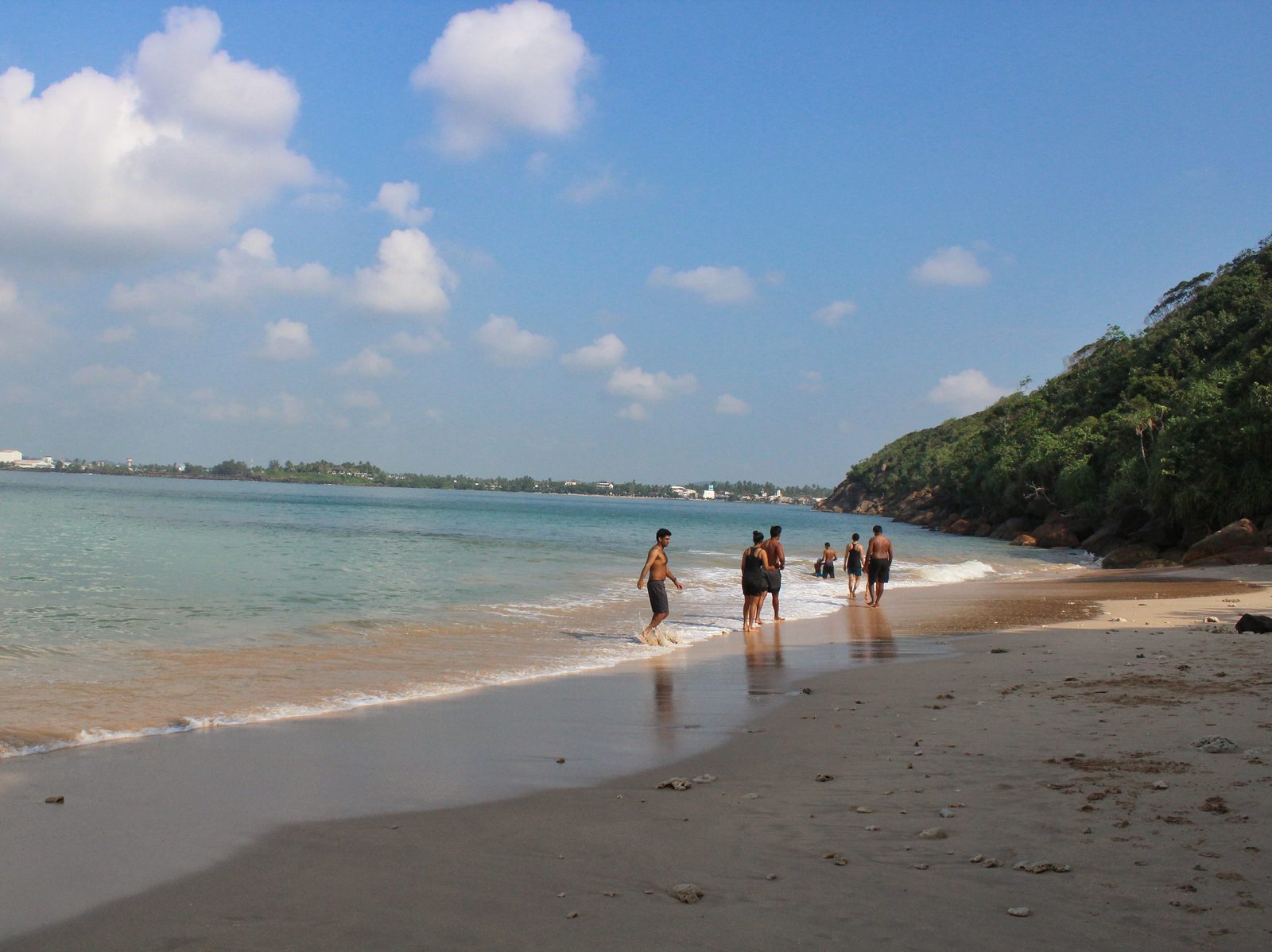
A secluded cove tucked beneath Rumassala Hill, reached by a short jungle trail and known for calm, clear water.
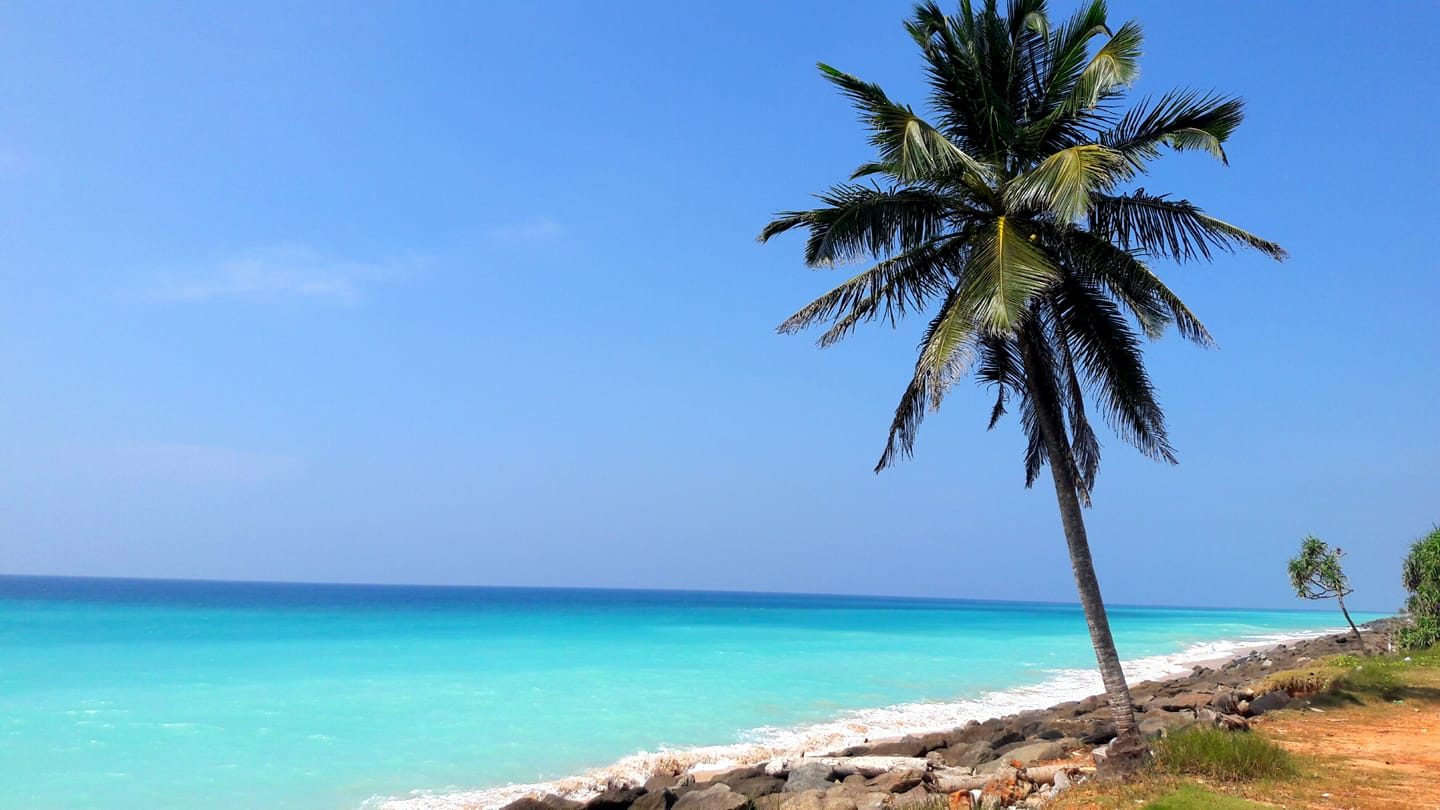
A curved bay of golden sand just outside Galle, popular for swimming, sunbathing and relaxed beachfront cafes.
A gleaming white stupa atop Rumassala Hill, offering panoramic coastal views and a peaceful place to pause.
Meet rescued and hatchling sea turtles at a local conservation project working to protect Sri Lanka's coastline.
Getting there
About 2–2.5 hours from Colombo via the Southern Expressway.
Best time to visit
Late afternoon into sunset is the best time to walk the ramparts.
Good to know
The fort is compact and best explored on foot — leave the car outside.
No reviews for Galle yet — be the first traveller to share your experience.
 Lanka
Lanka