Sri Lanka's medieval capital, with remarkably well-preserved ruins and the celebrated rock-cut Buddha statues at Gal Vihara.
Polonnaruwa succeeded Anuradhapura as the island's capital in the 11th century, and its ruins are generally more compact and better preserved — making it an easier archaeological site to explore in a single day.
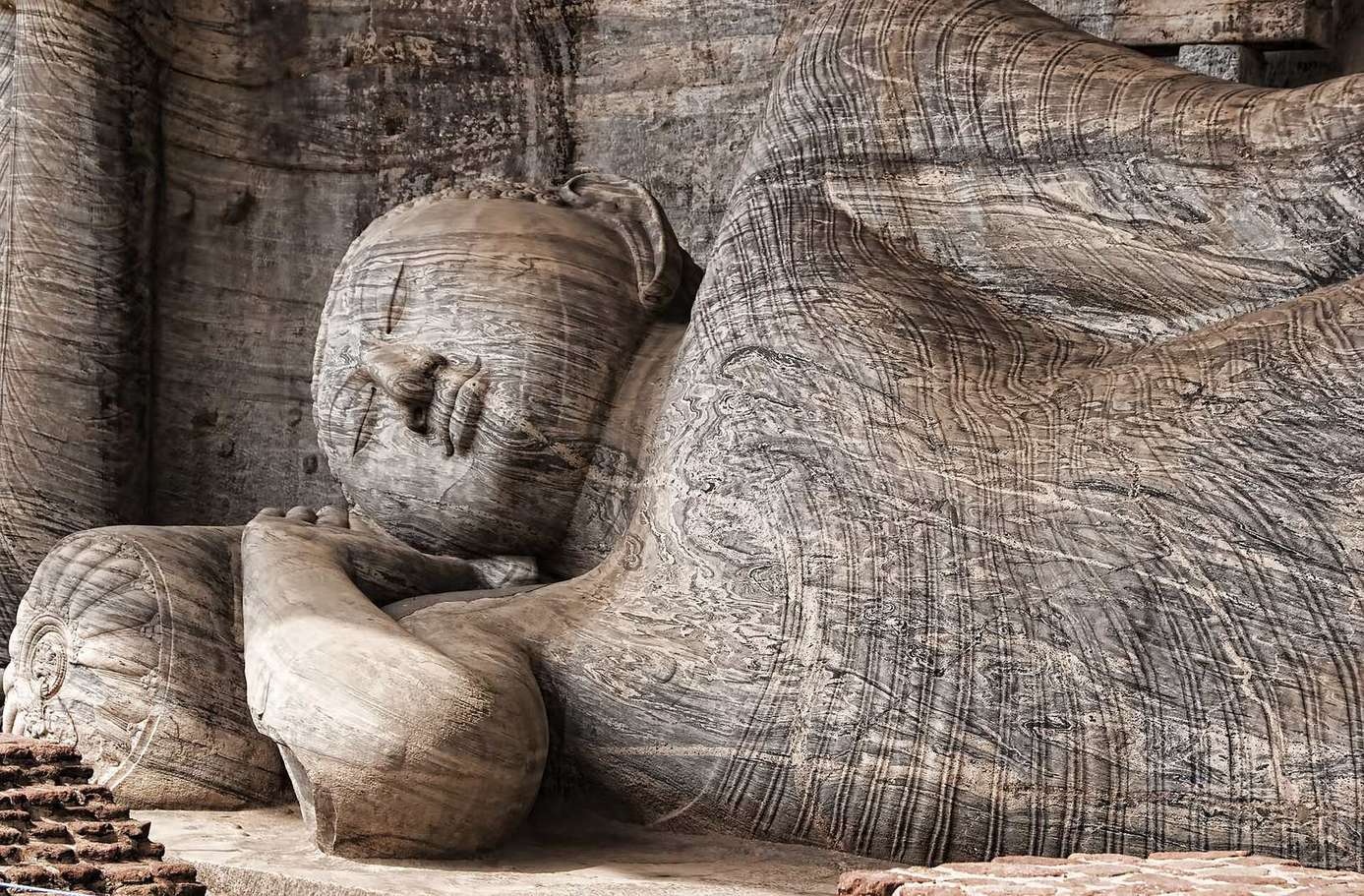
The highlight for most visitors is Gal Vihara: four Buddha statues carved directly from a single granite outcrop, regarded as some of the finest stone carving in South Asia.
The Ancient City of Polonnaruwa is a UNESCO World Heritage Site
Gal Vihara's rock-cut Buddha statues are a highlight of Sri Lankan sculpture
More compact and easier to cover than Anuradhapura
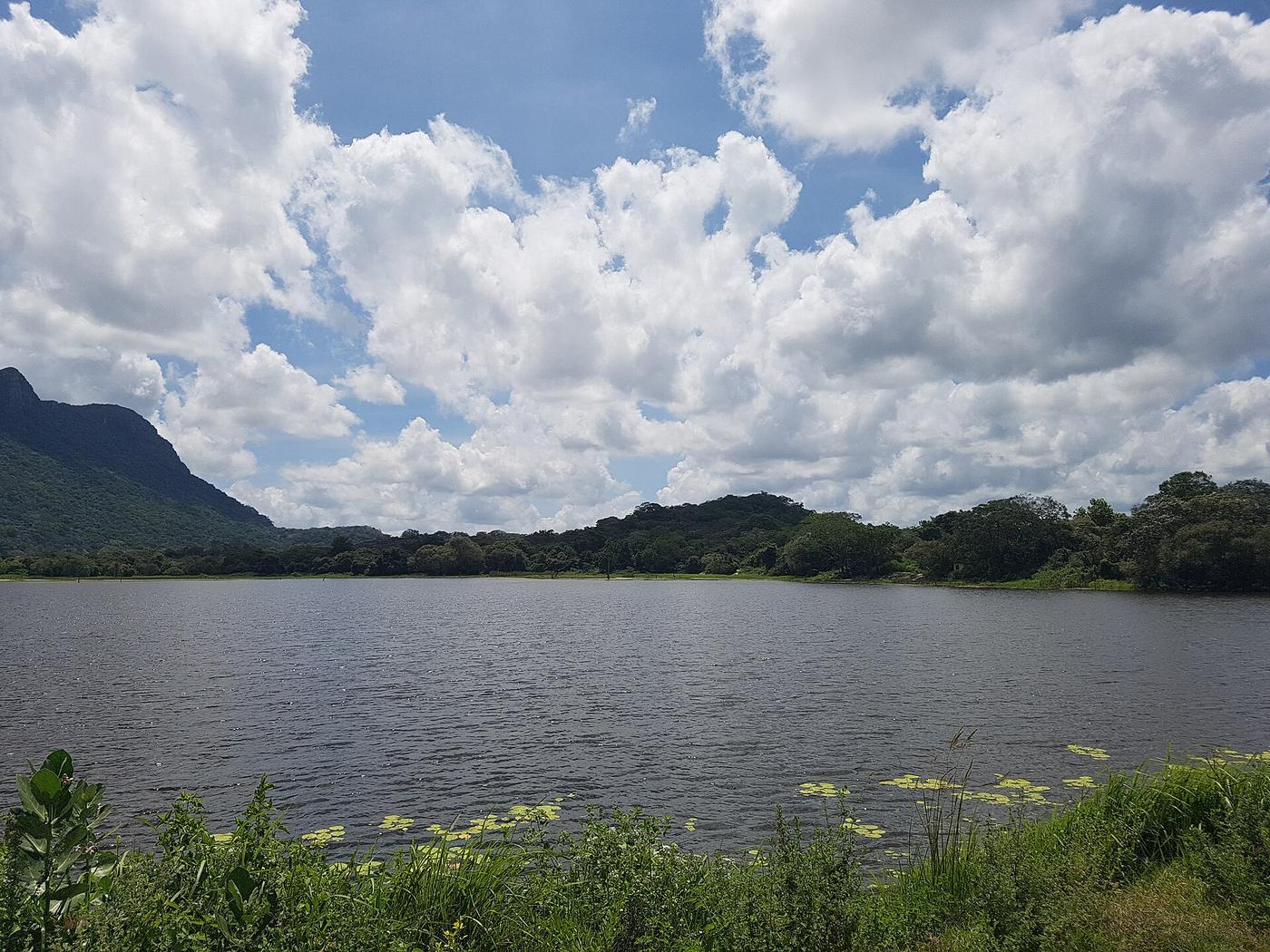
The Parakrama Samudra reservoir adds scenic contrast to the ruins
See the four Buddha statues carved from a single granite rock face.
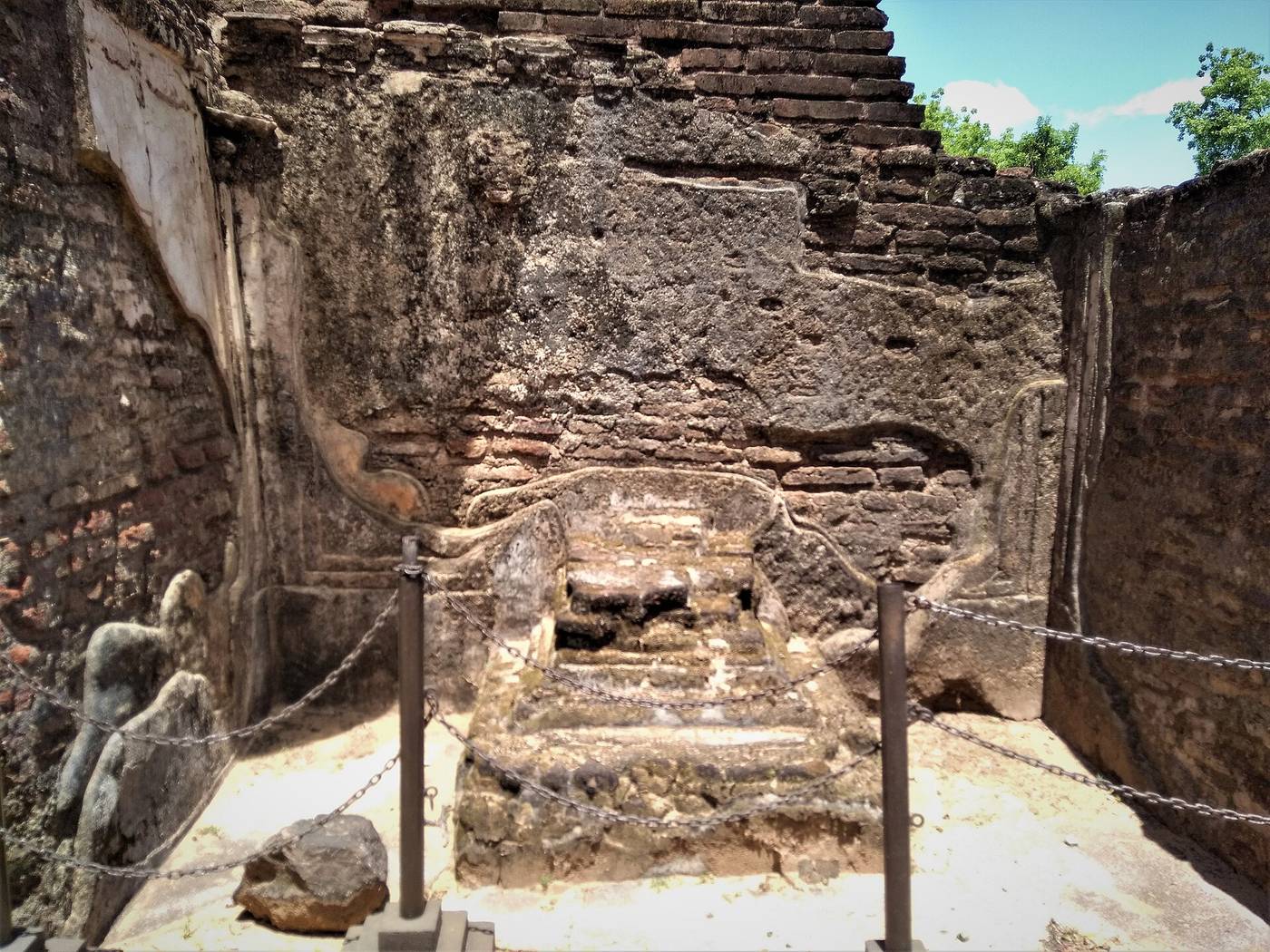
Walk through the ruins of the former seven-storey royal palace.
Explore this dense cluster of temples and monuments at the site's core.
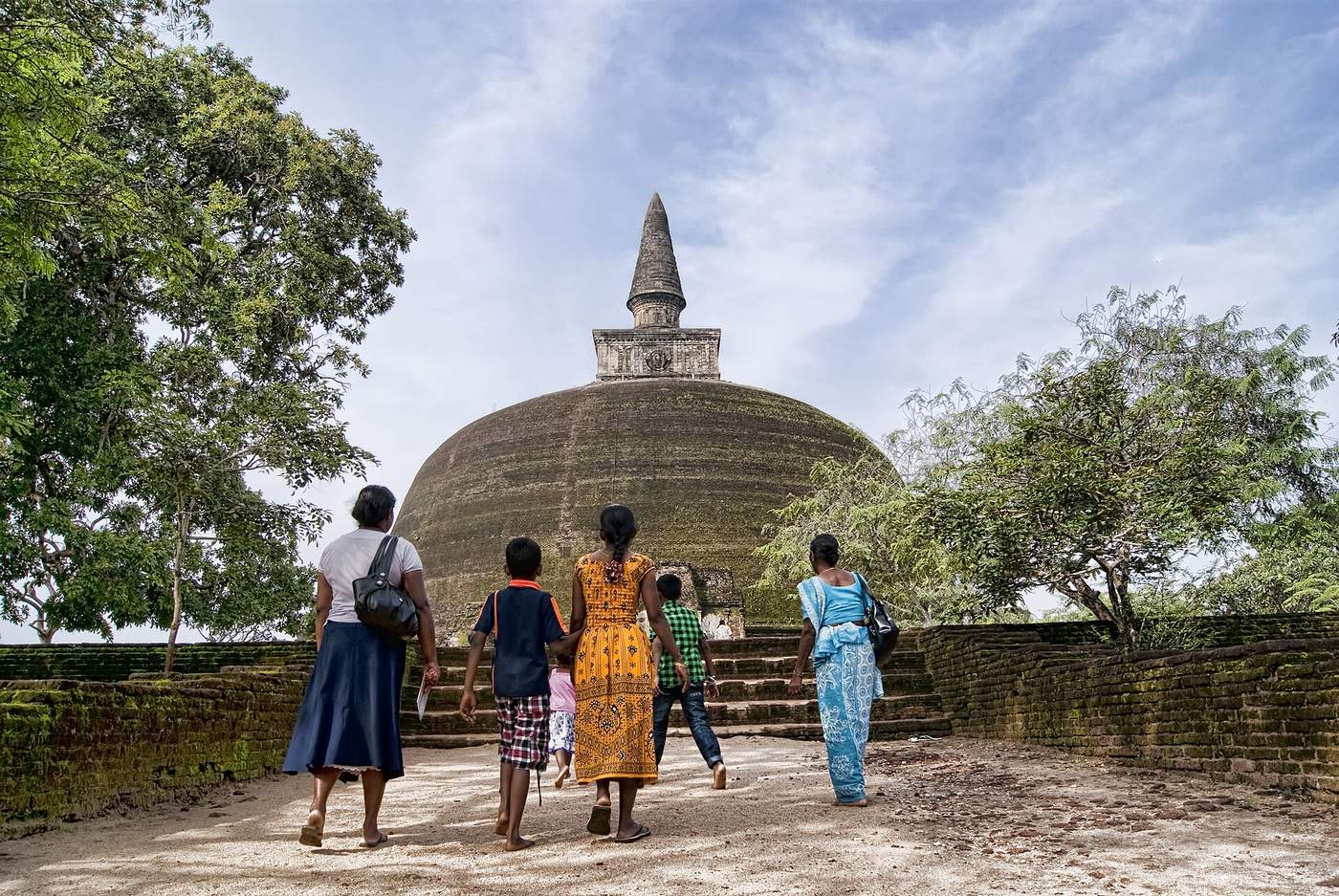
Visit the largest dagoba built during the Polonnaruwa period.
See the vast reservoir that once irrigated the medieval capital.
Gal Vihara
Royal Palace of Parakramabahu
Vatadage
Rankoth Vehera
Parakrama Samudra
Getting there
About 4 hours by road from Colombo; often combined with Sigiriya and Dambulla.
Best time to visit
Morning, to cover the site before the midday heat.
Good to know
Bicycles are available for rent at the entrance and are the easiest way to see the whole site.
No reviews for Polonnaruwa yet — be the first traveller to share your experience.
 Lanka
Lanka